'%20d='M364.9%20143.2v98.9l-1.4%201.2-165.6%20140.4%2035.7%2029.7v-34.2l1.4-1.2%20123.4-105.4%206.5-5.6v37l-1.3%201.2-99.7%2085.8v84.7l-6.6-5.7-97-83.1-3.6-3%203.5-3%20174.4-150.6v-25.1L153.7%20360.5l-6.6%205.7v-98.9l1.4-1.2%20161.6-138-35.7-29.7v34.4L273%20134%20153.7%20236.7l-6.6%205.7v-37l1.3-1.2%2097-83.2V36.3L252%2042l97.1%2083.1%203.6%203-3.6%203-171.7%20147.7V304l106.2-90.6%2056.4-48.8%2018.3-15.7z'%20/%3e%3c/svg%3e)
The work, beforeyou rent the machine
What each of these programs does, and what it asks of a machine.
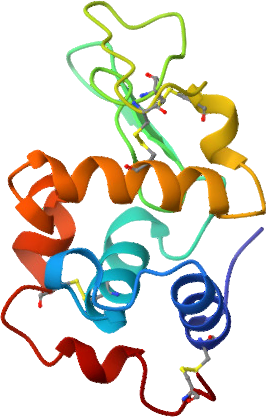
GROMACS, and what it is good at
The fastest classical MD engine in common use, and the three things it is usually chosen for.
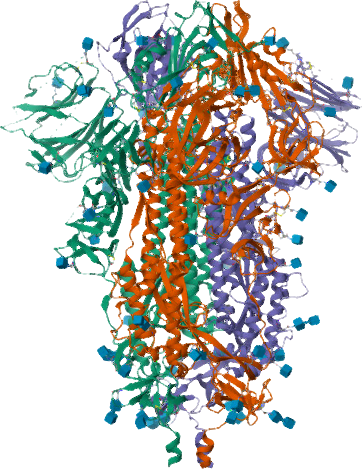
GROMACS on a GPU, and when it stops helping
Offloading the non-bonded work is the easy win. Past that, the machine you rent matters more than the card in it.

Replica exchange, without the hand-waving
Run the same system at many temperatures, swap them when the arithmetic allows, and cross barriers a single run never would.

Pulling on a molecule: steered MD
Attach a spring to an atom, move the other end, and read the force it took to make something happen.
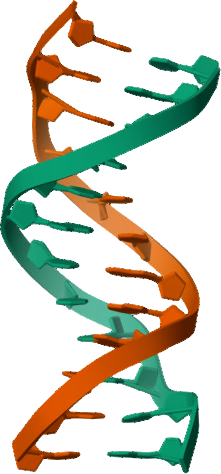
Choosing an AMBER force field
ff19SB, OL3, GAFF2, lipid21 — which one you pick decides what your simulation is able to be right about.
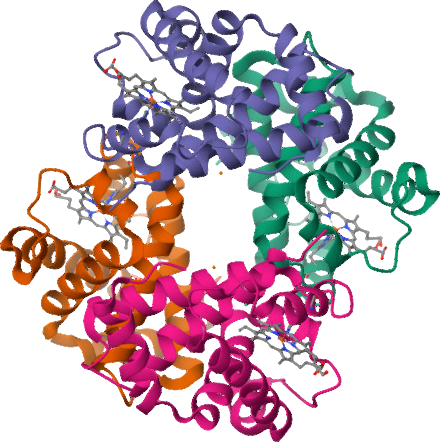
Minimise, heat, equilibrate: the run before the run
Four short simulations that exist so the long one does not explode in its first picosecond.
AMBER or GROMACS
Both integrate the same equations. They differ in what they make easy, what they make fast, and what they charge.
LAMMPS, and the input script
One text file describes the box, the particles, the physics and the run. Everything else is a consequence of it.
Reading the LAMMPS examples
The examples directory is the real manual. Here is how to read one and turn it into your own run.
What erate means in LAMMPS
One keyword in fix deform, an engineering strain rate, and the reason your shear run gives nonsense at the wrong value.
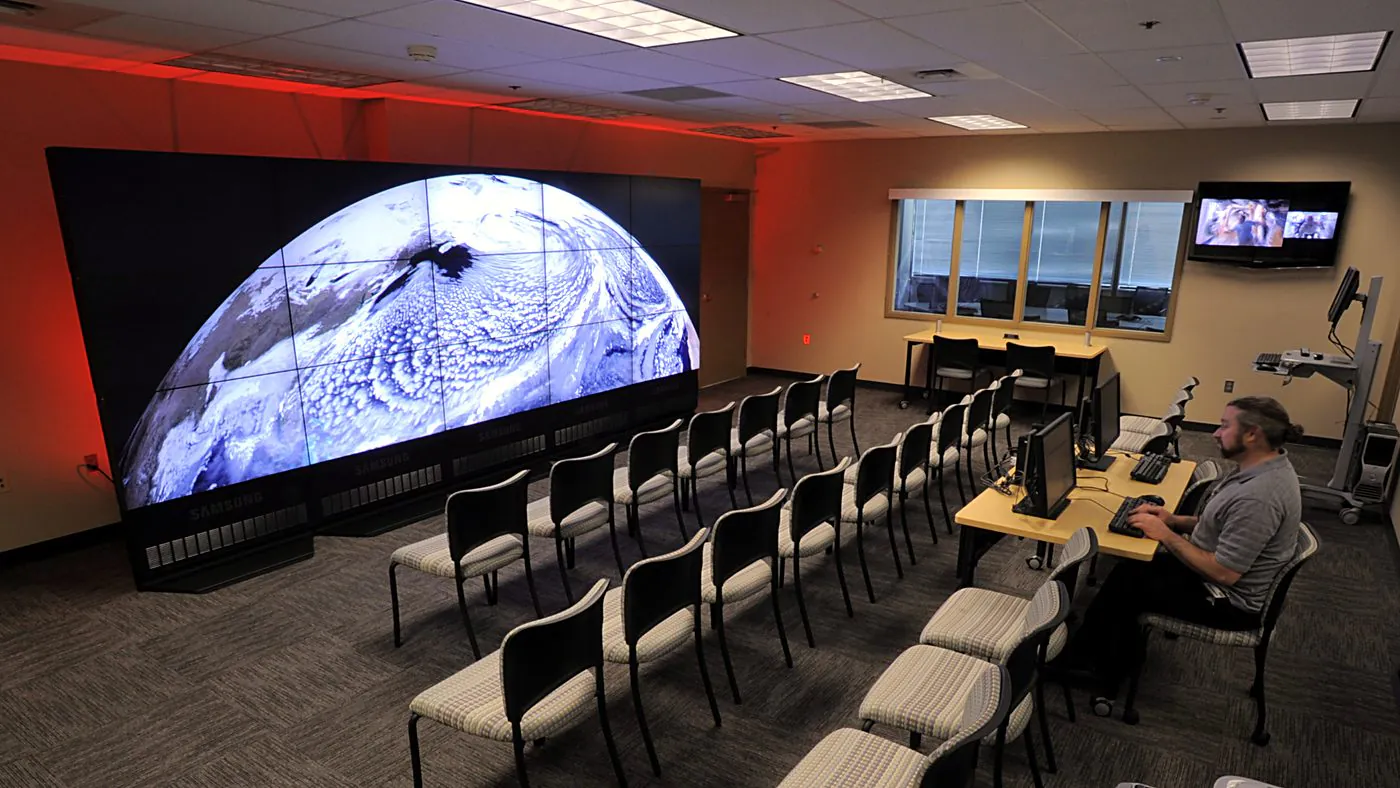
ParaView, from the first file
Open, apply, colour, look. Four steps that get you from a solver's output to a picture of it.
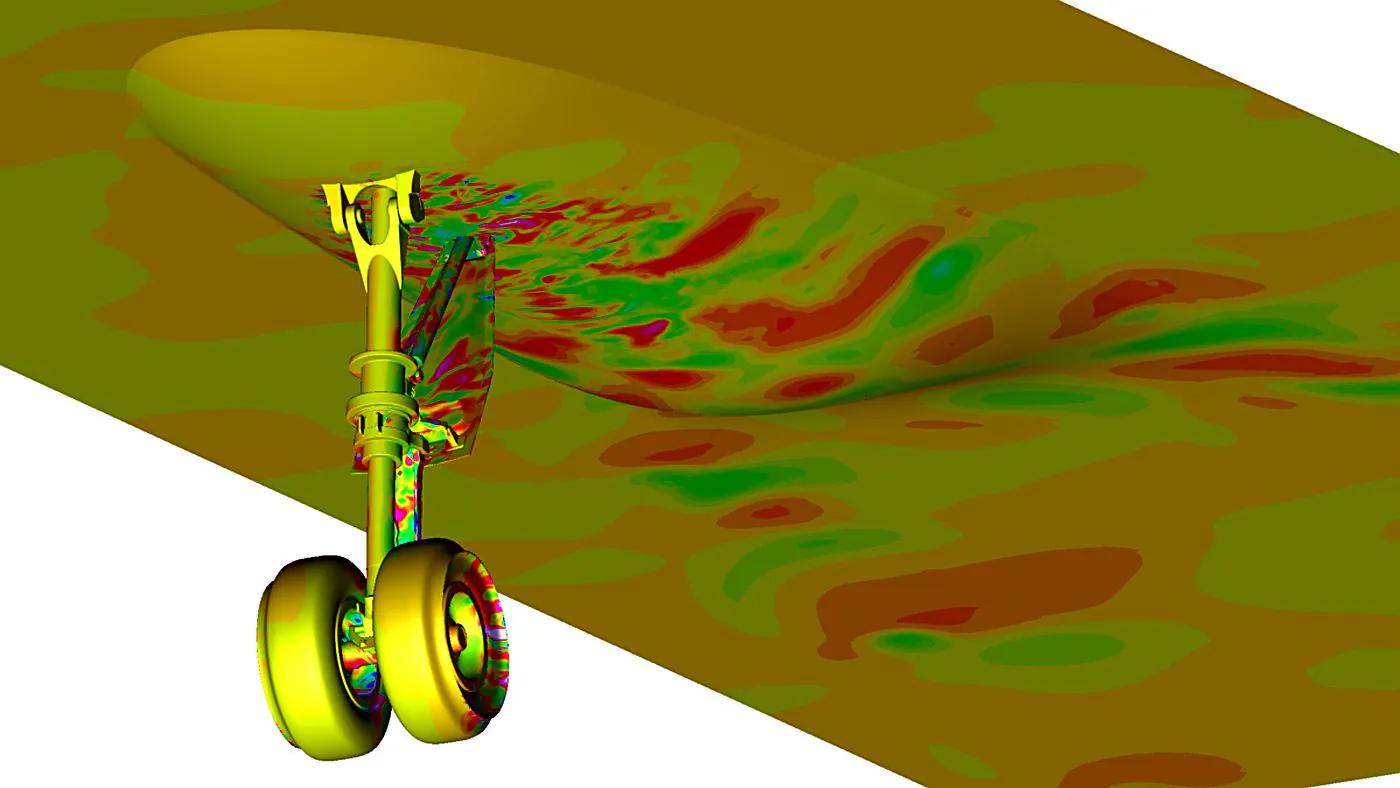
Volume rendering in ParaView
Draw the inside of a field instead of a surface through it, and spend the whole time editing one transfer function.
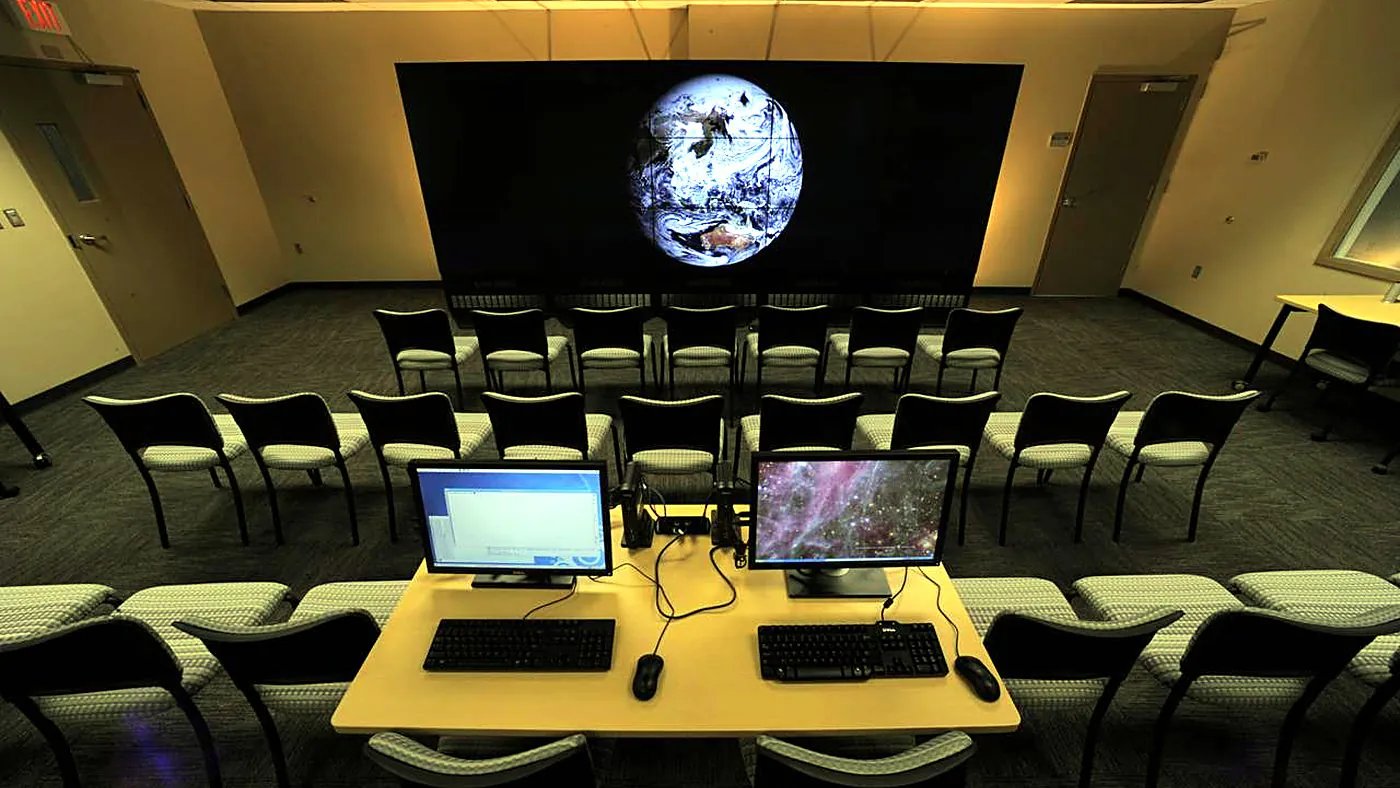
Getting numbers out of ParaView
A picture is the end of the visualisation and the start of the argument. Probes are how you get the argument.
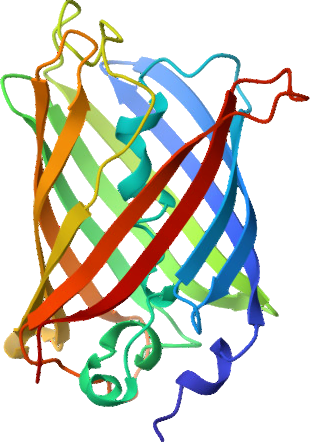
Which molecule viewer to open
PyMOL, VMD and ChimeraX cover almost everything. The choice is not close once you know what you are doing.
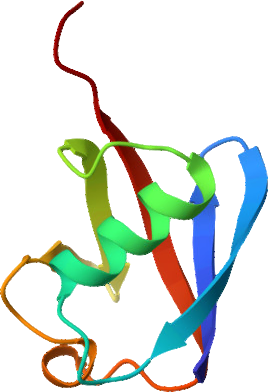
What molecular dynamics actually computes
Newton's second law, a few hundred million times, and a force field that quietly decides everything.
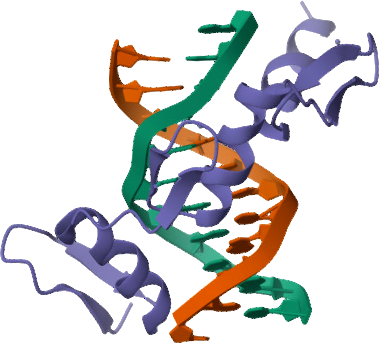
SAMtools, and the SAM/BAM/CRAM trio
One toolkit, three encodings of the same thing, and the handful of subcommands that do almost all the work.
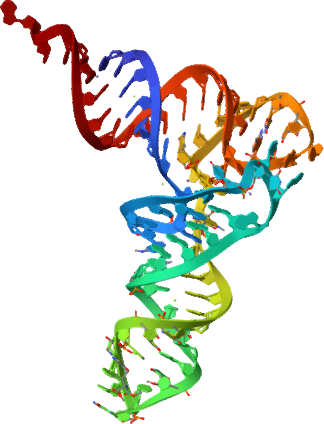
FastQC from the command line
Eleven checks over a FASTQ file, run without a window, and how to read the ones that go red.
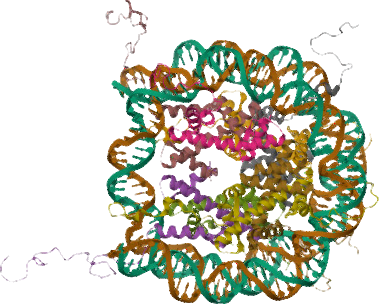
IGV, and what it draws
A genome browser that reads your own alignments, so you can look at the pile-up instead of trusting the caller.
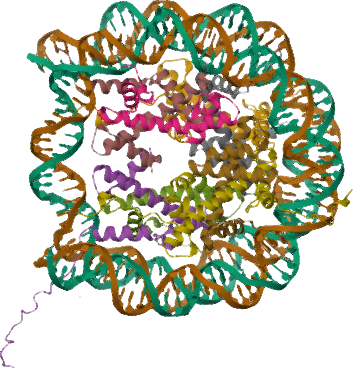
Loading a genome into IGV
A hosted genome, a FASTA of your own, or a full bundle — and the chromosome names that quietly break all three.
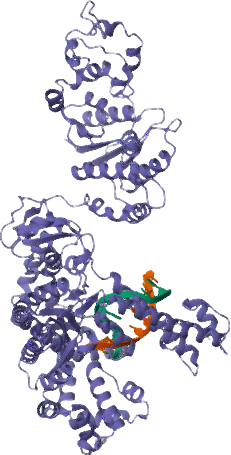
The bioinformatics file formats you meet
FASTQ, SAM, BAM, CRAM, VCF, BED, GFF. What each one holds, and the coordinate trap between them.
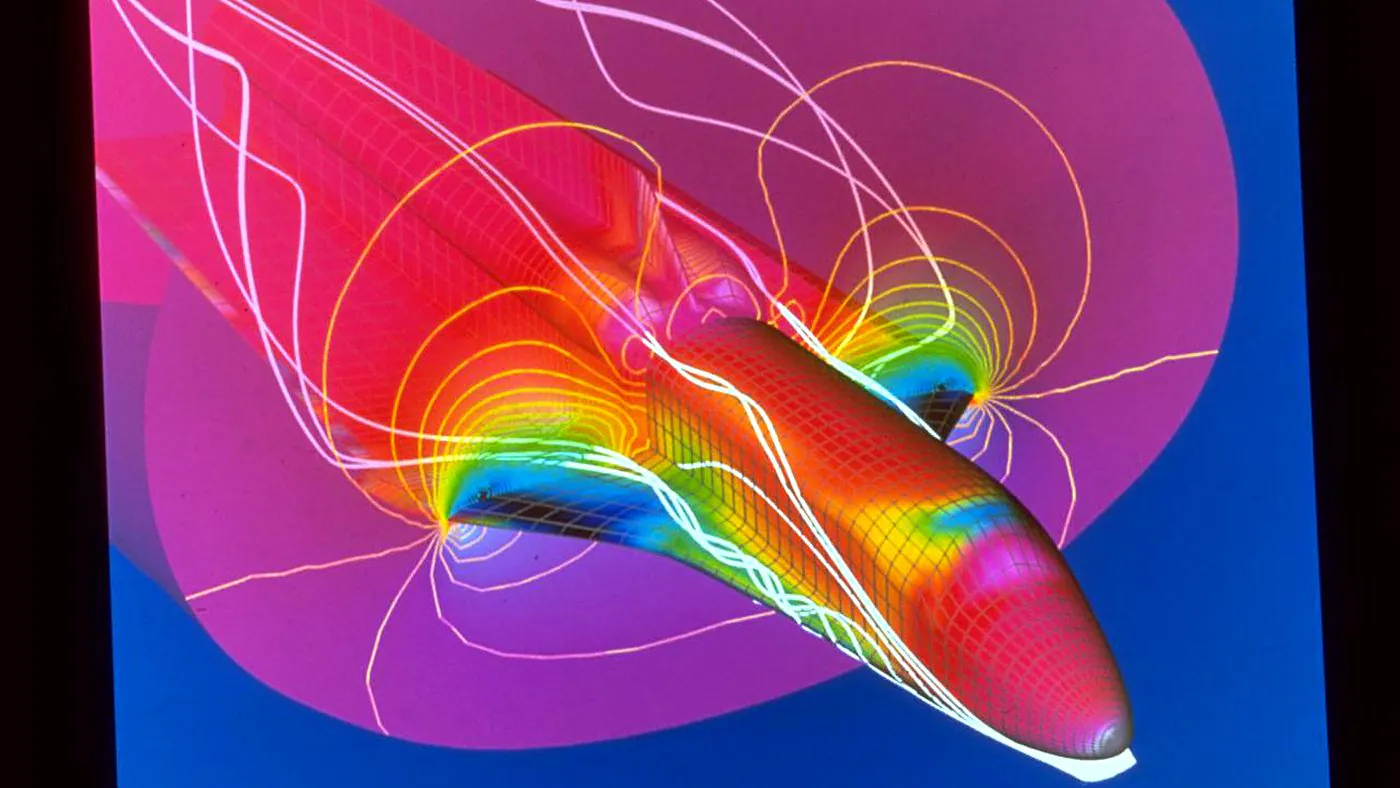
Which CFD solver to run
OpenFOAM, SU2 and the commercial packages. What separates them is rarely the physics.
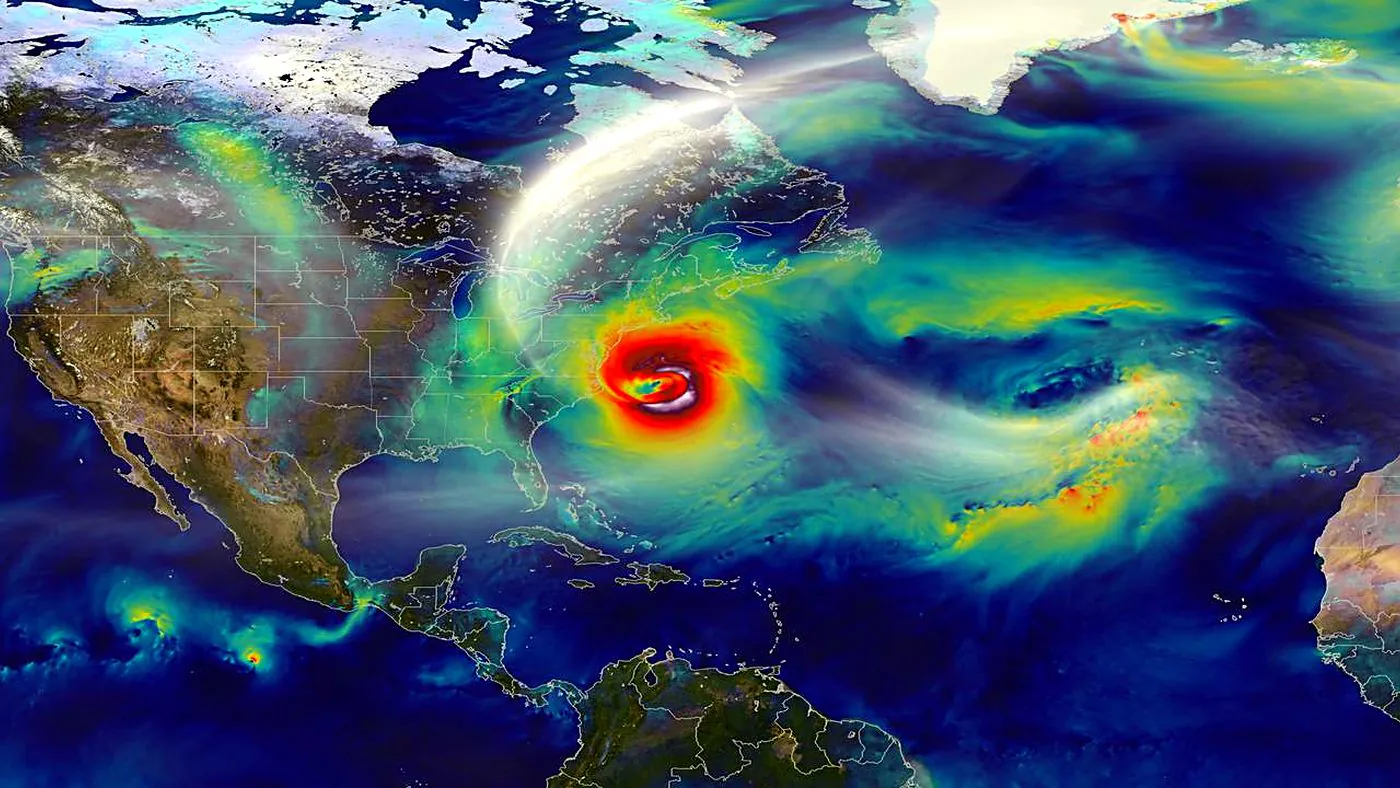
CFD file extensions, decoded
A solver leaves a directory full of unfamiliar suffixes. Here is what each of them is for.
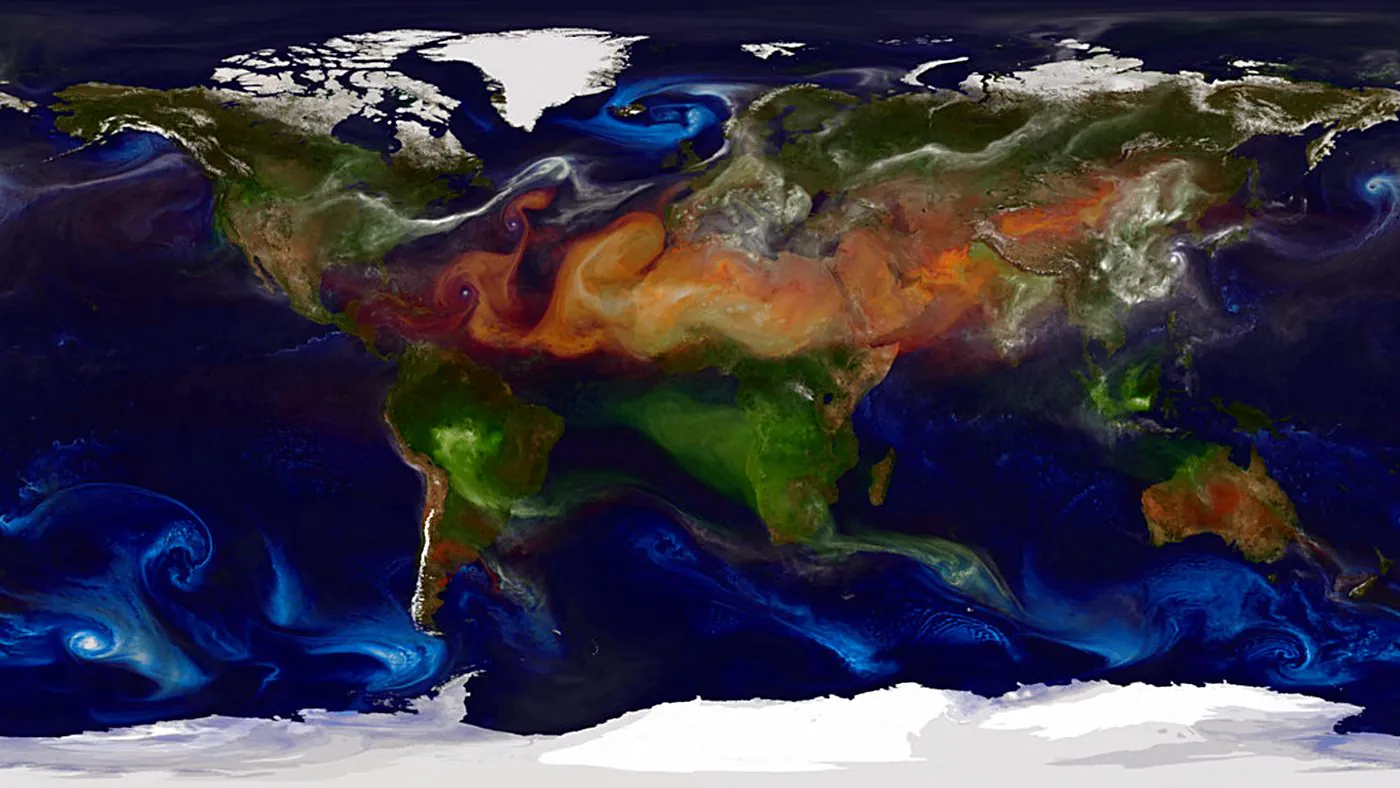
Scientific visualisation, from the pipeline up
Every tool implements the same four stages. Knowing them makes an unfamiliar one legible in an afternoon.
The ParaView filters worth knowing
Slice or Clip, Contour or Threshold, and why the order you put them in decides how long everything takes.
ParaView past the basics
Linked views, selection, time series as one object, and the Python trace that turns clicking into a batch job.
What a sequencer actually gives you
Not a genome — millions of fragments with confidence scores, and everything after that is reconstruction.
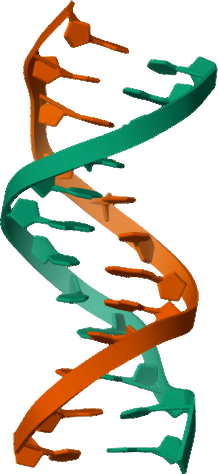
Putting an NGS pipeline together
Six stages from FASTQ to a VCF, and the point at which a shell script should become Nextflow.
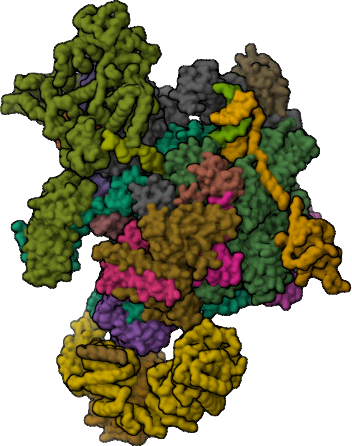
Bioinformatics, and what the work is
Sequencing got cheap faster than anything else in science. This is what happened when reading outpaced reasoning.
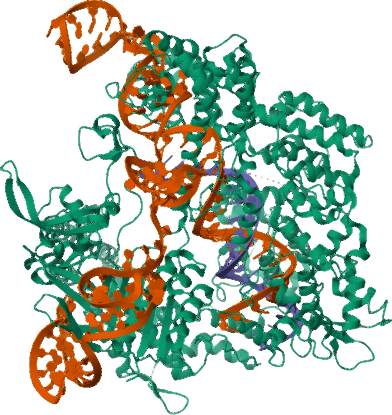
CRISPR-Cas, and where the computing is
A bacterial immune system that turned out to be programmable, and two alignment problems either side of it.
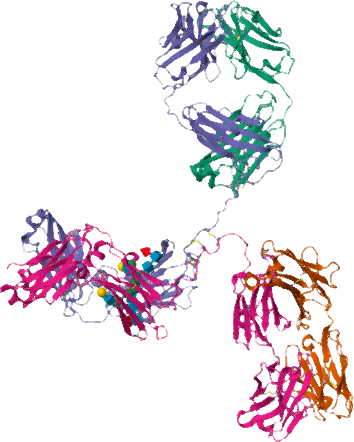
The statistics genomic data actually needs
Twenty thousand tests against six samples breaks classical methods. Everything here exists to survive that shape.
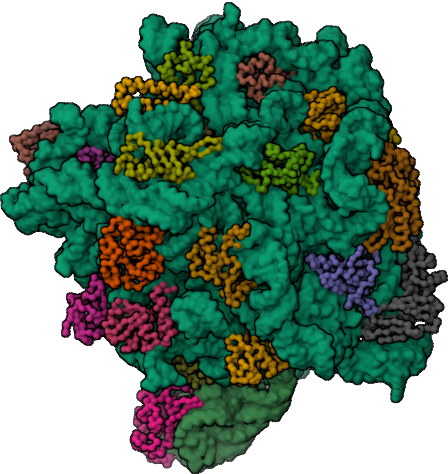
Computational biology, and where it differs
Bioinformatics handles data that exists. This builds models of systems, from an atom to a population.
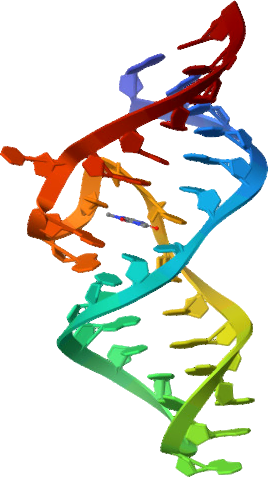
Modelling an RNA-ligand complex
An aptamer that tells theophylline from caffeine, a co-folding prediction, and the simulation that checks it.
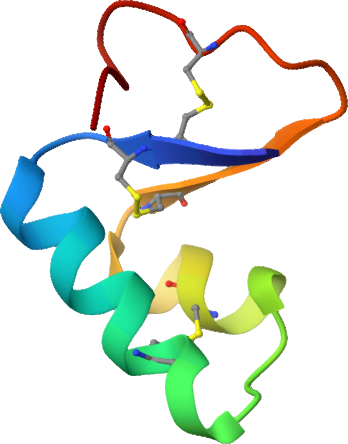
Computational chemistry, and its one trade-off
Accuracy, system size, timescale. Every method is a position on that triangle, and you can pick two.
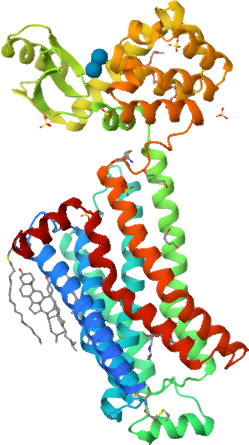
Choosing molecular dynamics software
GROMACS, AMBER, LAMMPS, OpenMM, NAMD. Start from the system you have, not from a benchmark.
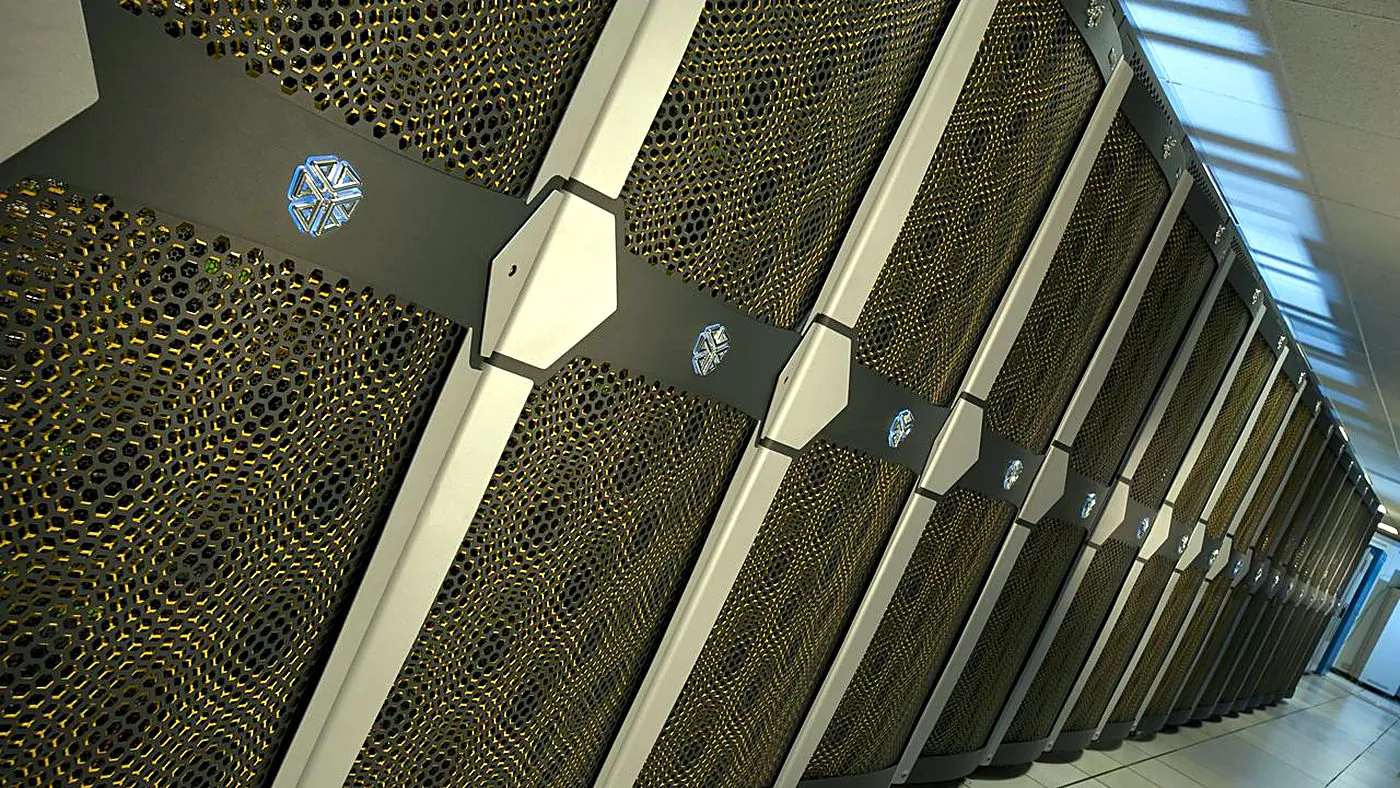
What high-performance computing actually is
Not one fast machine — many ordinary ones, and the discipline of splitting a problem between them.
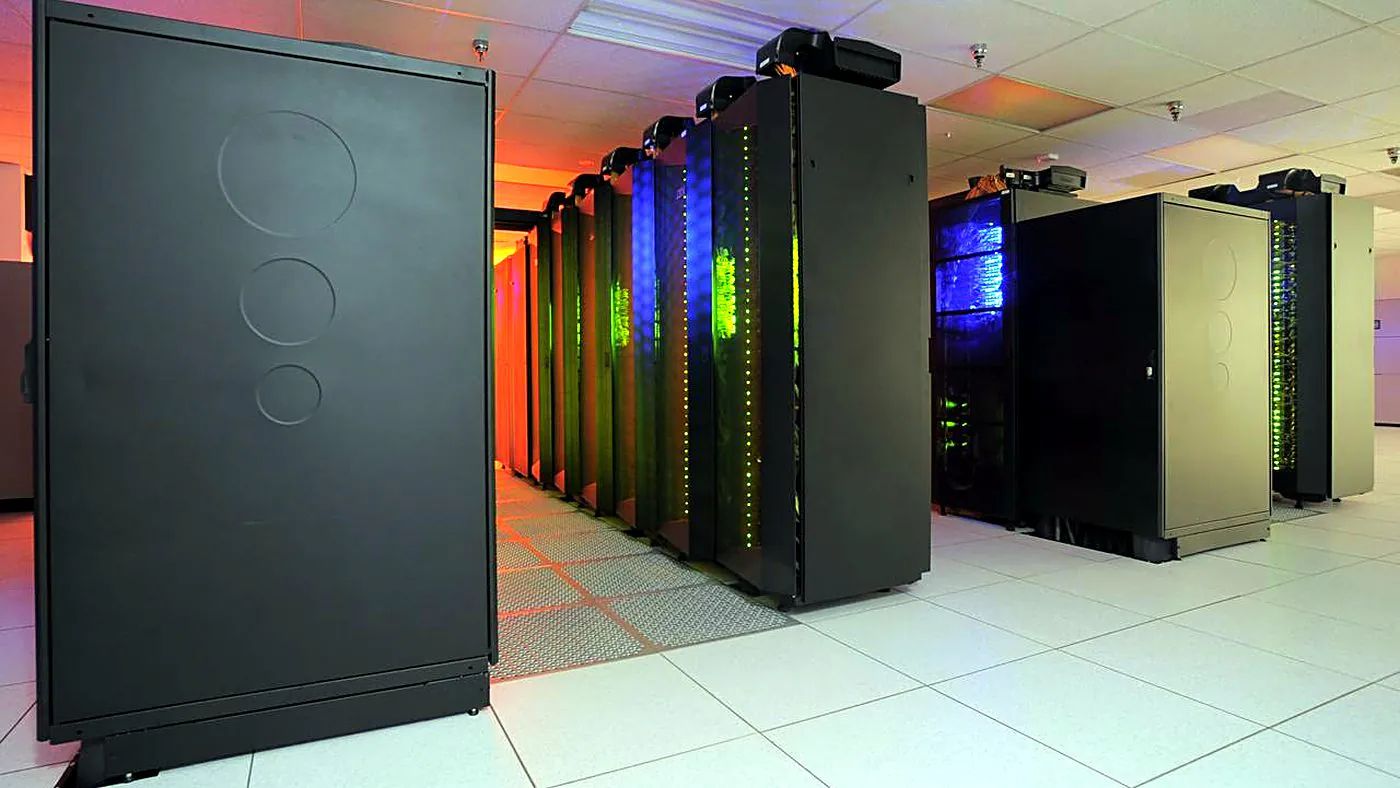
Distributed systems, and when to avoid them
A system where part of it can fail while the rest carries on. Everything difficult follows from that.
JupyterLab or the classic Notebook
Same kernel, same file, two interfaces. What actually differs, and where Notebook 7 fits.
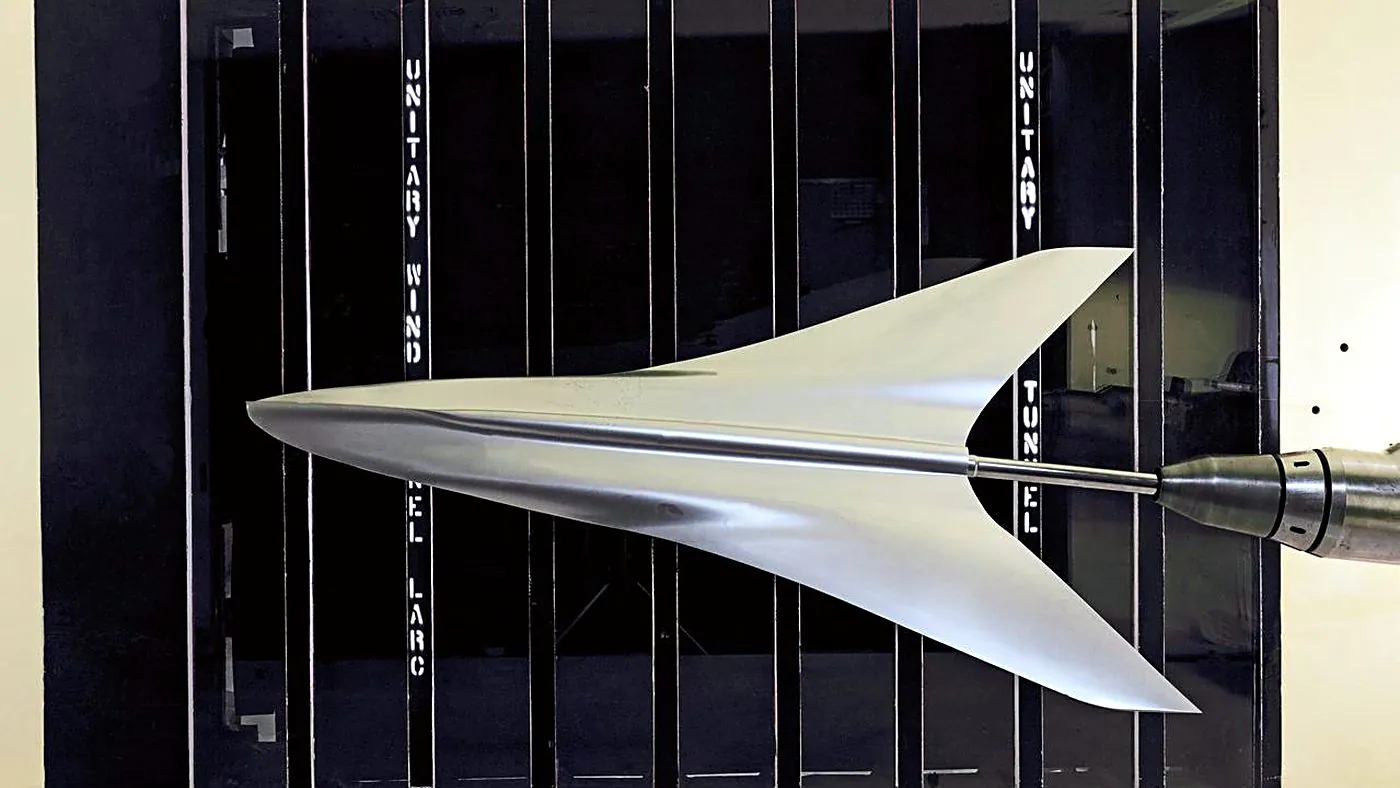
Open source or a CFD licence
Both solve Navier-Stokes. The argument is about meshing, support, and what per-core licensing does to a sweep.